

 English
 中文简体
中文简体 Japanese
 Korean
 Arabic
 Vietnamese
 Indonesian
 Spanish
 Russian
 Portuguese
 French
 Irish
Irish Malay
Malay Deutsch
 Greek
Greek Turkish
 Italian
 Danish
 Romanian
 Czech
Czech Afrikaans
 Swedish
 Polish
 Catalan
 Hindi
Hindi Lao
Lao Albanian
 Amharic
 Armenian
 Azerbaijani
 Bengali
 Bosnian
 Bulgarian
 Croatian
 Dutch
Dutch Estonian
 Filipino
 Finnish
 Haitian
 Hebrew
 Hungarian
 Icelandic
 Khmer
Khmer Kurdish
 Latvian
 Lithuanian
 Malagasy
 Maltese
 Maori
Maori Burmese
 Nepali
 Norwegian
 Pashto
 Persian
 Slovak
 Samoan
 Swahili
 Thai
Thai Ukrainian
 Urdu
Urdu Welsh
Welsh Guarani
 Kinyarwanda
 Hausa
Hausa Latin
Latin Georgian
 Belarusian
 Hawaiian
 Twi
Twi Turkmen
 Singapore
 Aymara
 Dhivehi
 Luxembourgish
 Macedonian
 Luganda
 Slovene
 Somali
 Nyanja
 Tajik
Tajik Kyrgyz
 Quechua
 Bambara
 Shona
Shona Kurdish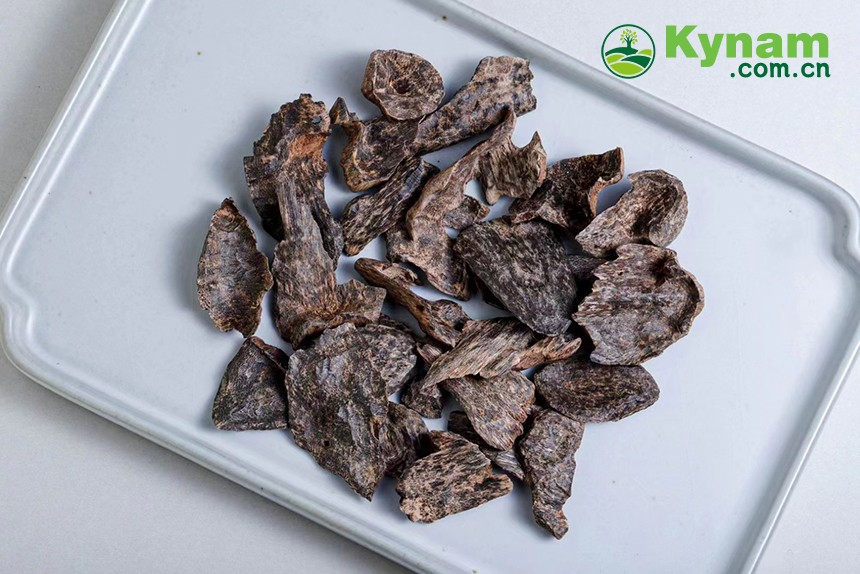
Guanxiang: The Timeless Treasure of Lingnan
What Is Guanxiang?
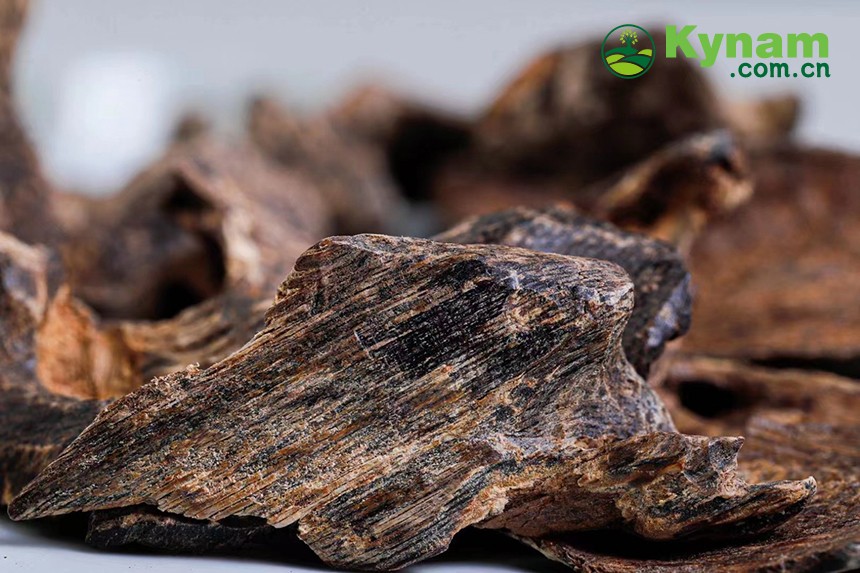
Guanxiang (莞香), also known as Dongguan Agarwood, is a precious aromatic resin produced by the Aquilaria sinensis tree, a species native to southern China. When the tree is wounded—either naturally or artificially—it secretes a fragrant resin as a defense mechanism. Over years of maturation, this resin-rich wood transforms into what is known as Guanxiang.
Often called the "Treasure of Lingnan" and the "Diamond Among Plants," Guanxiang is prized for its delicate, long-lasting fragrance and its value in traditional medicine. It is the only tree species in China named after a place—Dongguan, where it has been cultivated for over a thousand years.
How Guanxiang Got Its Name
The name Guanxiang literally means "Incense of Dongguan." The character 莞 refers to Dongguan, while 香 means fragrance or incense. During the Ming and Qing dynasties, Dongguan was the center of agarwood cultivation in China, and the incense produced there became famous nationwide.
Interestingly, the name Hong Kong is also linked to Guanxiang. In the Ming Dynasty, the village of Hong Kong T'sun (香港村) served as a major export hub for this incense. The fragrance trade from this port is widely believed to be the origin of the name "Hong Kong."
A Rich History Spanning Dynasties
Tang and Song Dynasties: The Beginning
Guanxiang's history dates back to the Tang Dynasty (618–907 AD) , when Aquilaria sinensis trees were first introduced to Guangdong. By the Song Dynasty (960–1279 AD) , large-scale cultivation had begun.
Ming and Qing Dynasties: The Golden Age
The Ming (1368–1644) and Qing (1644–1912) dynasties marked the peak of Guanxiang's prosperity. Dongguan became the incense capital of China. The Liaobu Incense Market (寮步香市) was one of the Four Great Markets of Guangdong, alongside Guangzhou's Flower Market, Luofu's Medicine Market, and Hepu's Pearl Market.
Modern Era: Revival and Recognition
After a period of decline in the mid-20th century, efforts to revive Guanxiang began in the 1990s. Today, Guanxiang enjoys official recognition:
2014: The traditional production techniques of Guanxiang were inscribed on the National Intangible Cultural Heritage List.
2015: Guanxiang was designated a National Geographical Indication Protection Product.
Where Guanxiang Is Produced
Protected Geographical Area
Authentic Guanxiang can only be produced in Dongguan, Guangdong Province. The protected production area includes:
Dongcheng District
Nancheng District
Houjie Town
Liaobu Town
Dalingshan Town
Chashan Town
Why Dongguan?
The exceptional quality of Guanxiang is inseparable from Dongguan's unique natural environment:
Climate: Subtropical monsoon climate with mild temperatures and abundant rainfall
Soil: Weakly acidic red soil found in the region's hills, ideal for Aquilaria sinensis
Microflora: Unique local microorganisms that play a crucial role in resin formation
The Art of Making Guanxiang
Guanxiang is not simply harvested—it is crafted. The traditional production process, passed down through generations, involves more than 30 distinct procedures.
Step-by-Step Process
| Step | Name | Description |
|---|---|---|
| 1 | Cultivation | Aquilaria sinensis trees are grown for 7–8 years until they reach about 3.5 meters in height. |
| 2 | "Opening the Incense Door" (开香门) | Skilled artisans make precise incisions in the tree trunk. This injury triggers the tree's natural defense mechanism. |
| 3 | Resin Formation | Beneficial fungi invade the wounds. Over several years, a biochemical process transforms the wood into resin-rich agarwood. |
| 4 | Harvesting | The resinous wood is carefully collected. |
| 5 | Refining (理香) | Non-resinous white wood is meticulously scraped away, leaving only the dark, aromatic resin-rich material. |
Grades of Guanxiang
Guanxiang is graded by quality and resin content:
| Grade | Chinese Name | Description |
|---|---|---|
| Baimu Xiang | 白木香 | The lowest grade, from the first cut. Low resin content. |
| Liantou Xiang | 镰头香 | Medium grade with moderate resin. Common in everyday use. |
| Yaxiang / Nü'er Xiang | 牙香 / 女儿香 | High-grade incense shaped like a horse's tooth. Rich in resin. Nü'er Xiang (Maiden Incense) is considered the finest in the world. |
| Chenxiang | 沉香 | The highest grade, from old tree heads. Extremely resin-rich and dense enough to sink in water. Highly prized in medicine. |
Uses and Applications
Traditional Medicine
In Traditional Chinese Medicine (TCM) , Guanxiang (as Chenxiang) is valued for its therapeutic properties:
Calms the mind and alleviates anxiety
Regulates qi (vital energy) and relieves pain
Promotes digestion and eases stomach discomfort
Incense and Spiritual Practice
For centuries, Guanxiang has been used in:
Meditation and religious ceremonies
Daily incense burning in Chinese households
Traditional tea ceremonies
Its clean, elegant smoke and calming scent create an atmosphere of tranquility.
Modern Products
With an annual output now exceeding 3 tons, Guanxiang has found new applications:
Essential oils and perfumes
Skincare and wellness products
High-end cultural artifacts and jewelry
Conservation and the Future
Protected Status
The Aquilaria sinensis tree is classified as a National Second-Class Protected Plant in China. Overharvesting in the mid-20th century brought it to the brink of extinction, but conservation efforts have successfully revived the population.
Revival Efforts
The Dongguan government has established protected cultivation zones
Traditional inheritors like Huang Ou have preserved and passed down ancient techniques
Modern plantations combine traditional knowledge with sustainable practices
Guanxiang Today
A modern industry has emerged around this ancient heritage:
Guanxiang Town in Dalingshan combines plantations, museums, and trading centers
Cultural activities such as incense ceremonies attract young people
The craft is being promoted as both a cultural treasure and a sustainable industry
Key Facts at a Glance
| Attribute | Details |
|---|---|
| Scientific Name | Aquilaria sinensis |
| Origin | Dongguan, Guangdong, China |
| History | Over 1,300 years |
| Cultural Status | National Intangible Cultural Heritage (2014) |
| Protected Status | National Geographical Indication Product (2015) |
| Tree Protection | National Second-Class Protected Plant |
| Main Uses | Medicine, incense, perfumery, skincare |
Conclusion
Guanxiang is far more than a fragrance—it is a living cultural heritage that embodies centuries of history, craftsmanship, and natural wisdom. From its origins in ancient China to its modern revival, it continues to captivate with its unique aroma and profound cultural significance.
Whether used in traditional medicine, spiritual practice, or contemporary products, Guanxiang remains a timeless treasure of Lingnan, connecting the past with the present—and carrying its fragrant legacy into the future.