

 English
 中文简体
中文简体 Japanese
 Korean
 Arabic
 Vietnamese
 Indonesian
 Spanish
 Russian
 Portuguese
 French
 Irish
Irish Malay
Malay Deutsch
 Greek
Greek Turkish
 Italian
 Danish
 Romanian
 Czech
Czech Afrikaans
 Swedish
 Polish
 Catalan
 Hindi
Hindi Lao
Lao Albanian
 Amharic
 Armenian
 Azerbaijani
 Bengali
 Bosnian
 Bulgarian
 Croatian
 Dutch
Dutch Estonian
 Filipino
 Finnish
 Haitian
 Hebrew
 Hungarian
 Icelandic
 Khmer
Khmer Kurdish
 Latvian
 Lithuanian
 Malagasy
 Maltese
 Maori
Maori Burmese
 Nepali
 Norwegian
 Pashto
 Persian
 Slovak
 Samoan
 Swahili
 Thai
Thai Ukrainian
 Urdu
Urdu Welsh
Welsh Guarani
 Kinyarwanda
 Hausa
Hausa Latin
Latin Georgian
 Belarusian
 Hawaiian
 Twi
Twi Turkmen
 Singapore
 Aymara
 Dhivehi
 Luxembourgish
 Macedonian
 Luganda
 Slovene
 Somali
 Nyanja
 Tajik
Tajik Kyrgyz
 Quechua
 Bambara
 Shona
Shona Kurdish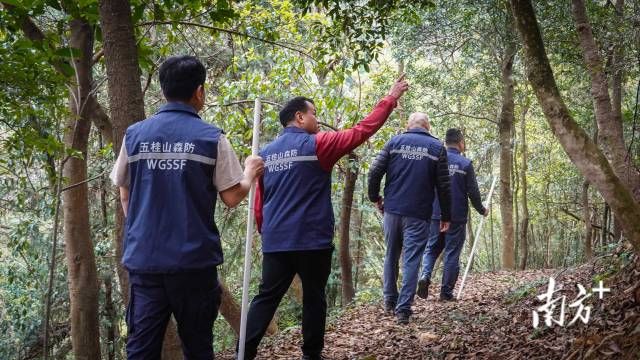
Restoring forests and biodiversity is a slow process, but scientists in India recently made an exciting find in one of the country's protected areas.
The critically endangered Aquilaria khasiana (A. khasiana), an agarwood-producing tree species, was found in Assam's Jeypore Reserve Forest, per Northeast Now, reporting on a study shared in Scientific Reports. It's the first time the tree has been found in the region, after being assumed to be endemic to nearby Meghalaya, where its population has been decreasing.
Researchers declared the 210 trees found a "new distribution record" for the Jeypore Reserve Forest, NE Now reported. Before now, the A. Khasiana was only found in a few isolated areas of Meghalaya's East Khasi Hills, with the last sighting before 2016 dating all the way back to the 1950s.
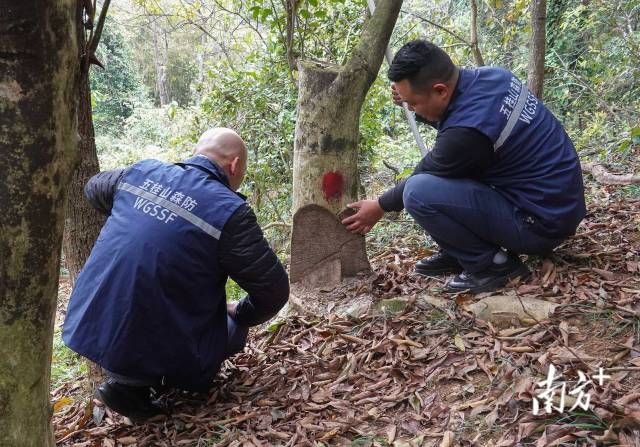
Agarwood, also known as gaharu, oud, or eaglewood, is valued for its aromatic resin, used in medicine, incense, perfumes, and traditional religious practices, according to Traffic.org. Assam is known as the agarwood capital of the world, but its rarity has led to overharvesting and exploitation, including illegal trafficking. According to Mongabay, two other species of agarwood account for 70% of the global trade and are harvested from the wild, further raising sustainability concerns.
"The remaining individuals, especially in unprotected areas like Mawkasain, need urgent attention," the study's scientists stated, per NE News. "Legal safeguards, community involvement, and habitat restoration will be crucial for preventing the extinction of Aquilaria khasiana."
While the discovery is promising, the scientists called for additional conservation efforts, including stricter protections, continued monitoring, and a species recovery program.
Continued protection is crucial to the survival of agarwood and other species in the region — and essentially around the world. A 2024 study showed that protecting just 1.2% more of the Earth's land surface could be enough to stop the extinction of huge numbers of animals and plants over the next five years.